



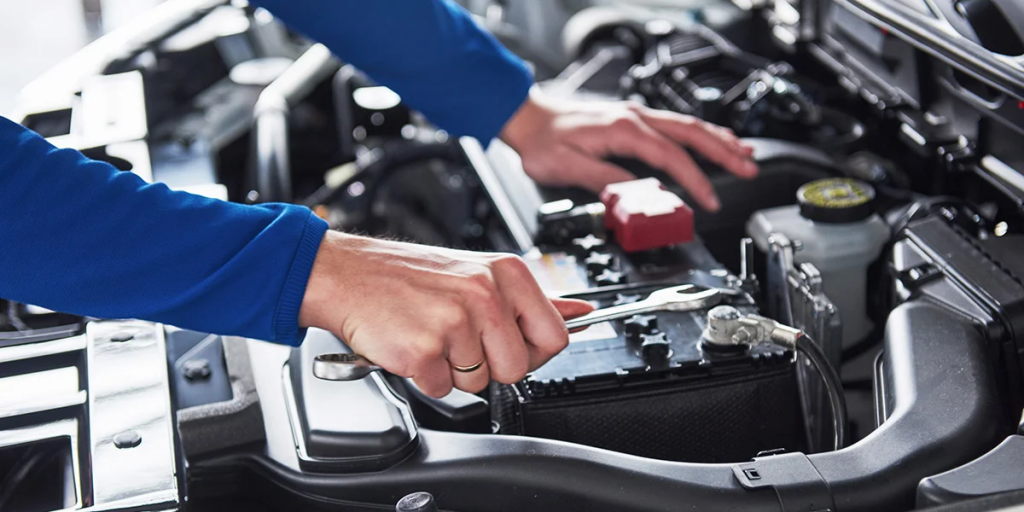
Regularly scheduled maintenance helps to keep your GMC running efficiently and reduces repair costs. As your GMC dealership, we’d like you to know a few signs you may need to visit us for GMC maintenance.
High Engine Temperature
Your engine works most effectively at temperatures between 185°F and 220°F. When you accelerate, tow a heavy load, or drive uphill, these temperatures will naturally rise as the engine works harder. At approximately 180°F, coolant is released into the engine to control the temperature by absorbing the heat and transporting it to the radiator for removal by heat exchange.
If the temperature rises above its normal operating level, the cooling system speeds up to remove heat faster. If you notice your engine temperature is climbing for no apparent reason, something is wrong. A coolant leak, a jammed thermostat, or a failed water pump are some of the possible causes. Our technicians will examine the cooling system, find the fault, and fix it.
Screeching Noises
A high-pitched screening noise when you brake means that one or more of your brake pads have worn down and need replacement. The brake pads fit into the brake calipers, which are forced against the wheel rotors when you hit the brakes. The pads have a 1/2″ rough material covering that generates friction against the rotors, and this friction stops the wheels.
A pad’s material covering slowly wears down, and as the material becomes thinner, the braking distance will increase, and braking speed will decrease. Each pad contains a metal spike buried inside the material. When a pad is due for replacement, the spike becomes visible and will scratch against the rotor each time you brake, producing an annoying screeching sound. We can replace worn pads in minutes, and the noise will disappear.
Black Exhaust Smoke
Thick black exhaust smoke means the toxic waste products produced by combustion aren’t being converted to harmless gases by the catalytic converter. The two main causes of this problem are a fuel-rich engine or a damaged converter. If the converter is damaged, carbon monoxide, hydrogen sulfide, and other toxic gases pass through the exhaust and exit as a cloud of black smoke.
A fuel-rich engine contains more air than fuel in the fuel-air mixture. The lack of air means most of the fuel won’t burn, and this hot, unburnt fuel is dumped into the catalytic converter. The converter can’t process all of this fuel, and some of the fuel will exit the tailpipe. We’ll find the cause of the problem and repair it, and the exhaust smoke will return to normal.
If your GMC isn’t performing as well as it should, contact our service department today at Holloway GMC in Portsmouth, NH.
Connect with us


- 2026 GMC Sierra 1500
- 2026 GMC Sierra EV
- 2026 GMC Terrain
- 2026 gmc yukon suv
- Electric Pickup Truck
- GMC Dealer Portsmouth NH
- GMC Electric Truck
- GMC Maintenance
- GMC service
- Holloway GMC Service
- Luxury Full-Size GMC SUV
- Portsmouth GMC Dealer
- Portsmouth GMC Service
- Portsmouth Used Cars
- Terrain
- Tire Alignment
- Uncategorized